Designing Homes for Real Life: Neurodivergent and Aging in Place Design in Raleigh
Most homes get designed for an idealized version of how people live. Real life is messier than that, and it changes over time. At TEW Design Studio, we design for how people actually live now, and how they want to live ten or twenty years from now, including families navigating ADHD, autism, sensory processing differences, and the realities of aging in place.
We get asked a lot of the same questions about this kind of work, so here are some honest answers.
Want to chat directly about your design needs now?
It means designing a space to work with the nervous system instead of against it. For someone with ADHD, that often comes down to reducing visual clutter and giving each task its own clear zone, so the brain isn’t constantly fielding competing signals. For someone with autism or sensory sensitivities, lighting and acoustics usually matter more than people expect, sometimes more than the layout itself. The point is a space that truly belongs to the people living in it.
What does aging in place design involve?
Wider doorways, zero-threshold showers, better lighting, lever handles instead of knobs, primary living spaces that work on one level. Honestly, the zero-threshold shower is the one upgrade almost nobody regrets, even clients who weren’t sure they needed it yet. None of this has to look clinical. Good aging in place design is the kind you don’t notice, until you need it.
How are neurodivergent design and aging in place design connected?
More than most people assume. We worked with a client who has significant vision loss and children with sensory sensitivities, and a lot of what helped him also helped them. Strong contrast and consistent material choices so spaces read clearly without relying on sight alone. Predictable layouts where everything has a place and stays there. Lighting that’s functional without being harsh. We weren’t trying to solve two things with one design, but that’s how it played out.
Is this only for people with a diagnosis?
No, and most of our clients don’t come in using clinical language at all. Usually it’s more like “I don’t know why, but I can never relax in this room” or “the kids melt down every time we’re all in the kitchen at once.” We start from there. Sometimes a diagnosis comes up later in the conversation, sometimes it never does, and either way we’re working from the same questions: what feels overwhelming here, and what would make this easier.
What does this actually look like in a home?
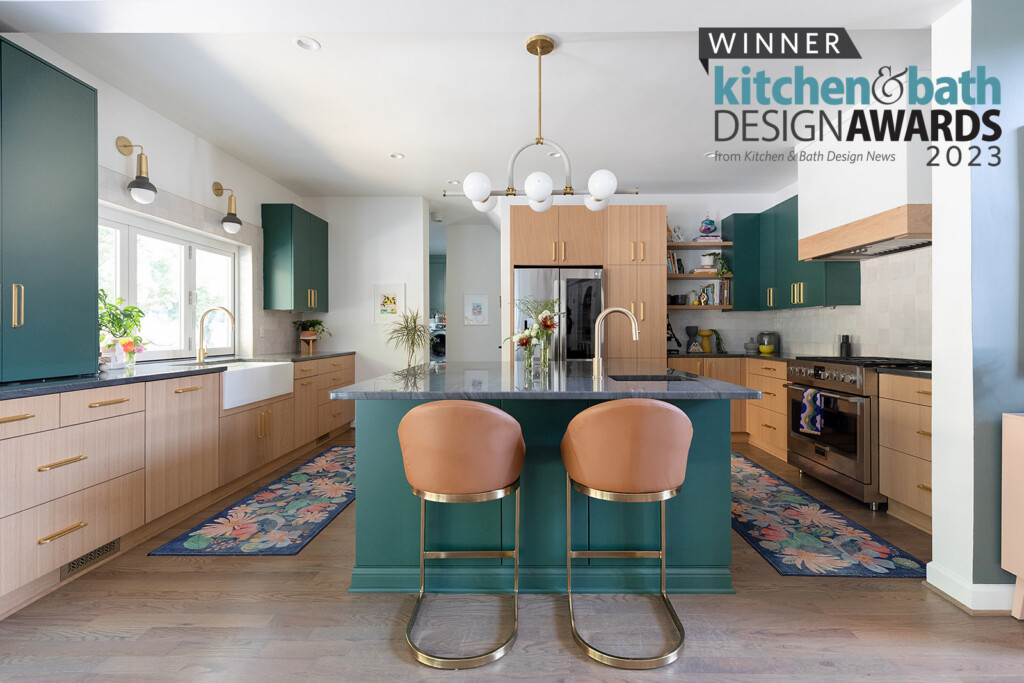
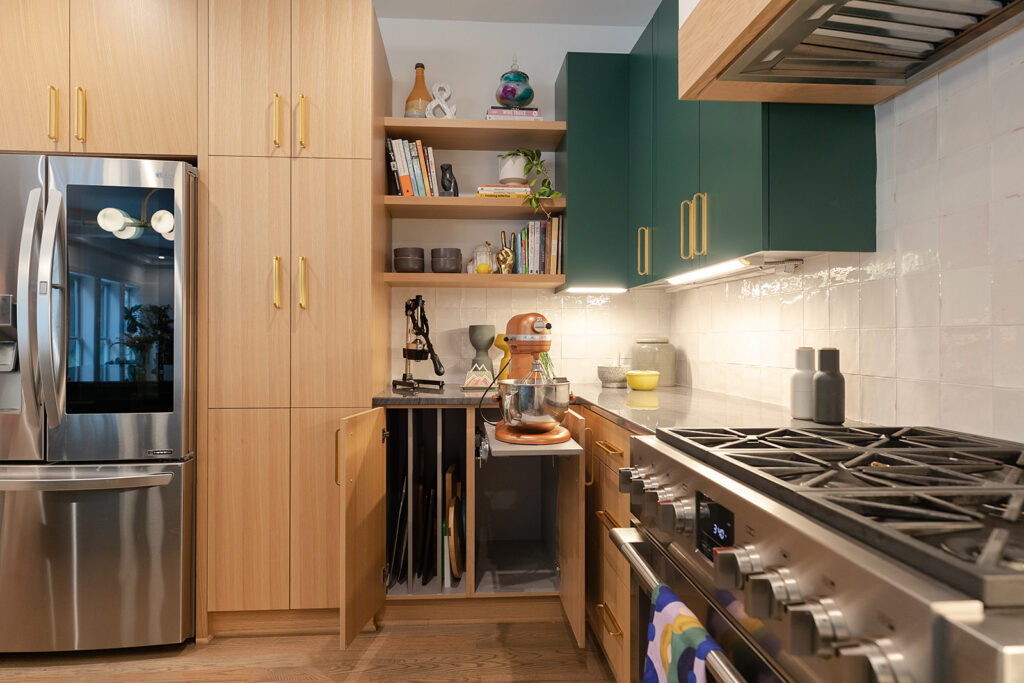
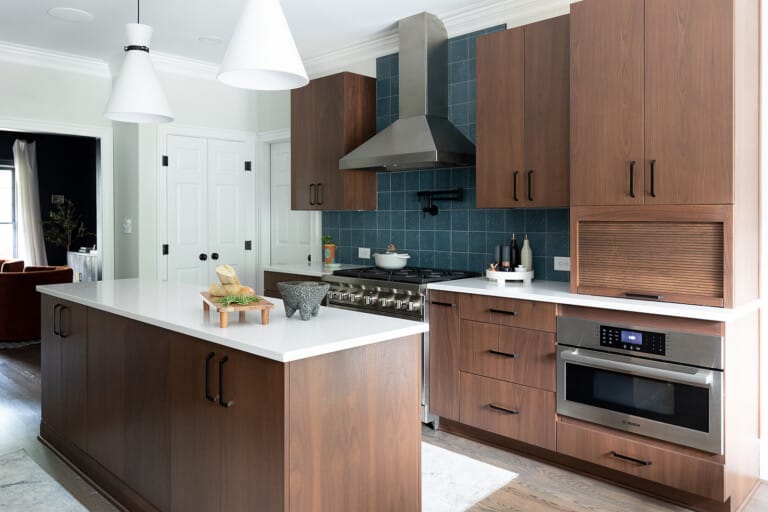
Usually it’s not one big feature, it’s a handful of smaller decisions. A mudroom that’s built to absorb the chaos of everyone arriving home at once, so it doesn’t spill into the living room. A kitchen layout that keeps the cook out of the main walking path. Lighting on dimmers in the rooms where people actually decompress. Small stuff, but it adds up to a house that feels easier to live in, even if no one visiting could point to exactly why.
Why does TEW focus on neurodivergent and aging in place?
It’s not a separate service we layer on top of regular design work, it’s just part of how we approach every project. We ask different intake questions than a lot of firms do, specifically so these needs come up early, while we’re still figuring out the layout, not after everything’s already been built.
How do I get started?
A design strategy session is the easiest first step. We’ll talk through how your household actually runs day to day, what’s working, what isn’t, and where you see things going over the next several years. From there we can talk through what a calmer, more future-ready home could look like for your family.
Ready to talk through your space? Schedule a design strategy session with TEW Design Studio below.
Want to Read More?
Check out our latest blogs to see what’s new at TEW!
What is biophilic design? Biophilic design is a concept in the design industry based on the evolutionary theory of biophilia, which studies human’s innate need to connect with the natural world. Biophilic interior design is a design approach that aims to improve health, well-being, and even productivity. We do this by bringing nature or natural […]
When our clients decided to relocate from California to North Carolina, they found their forever home before they’d ever set foot in the state. It was a beautiful mid-century modern style home in the Raleigh Triangle area with great bones, ready for some light updates and a lot of personalization. The catch was that they […]
“The goal isn’t a room that looks good in photos but stresses everyone out to maintain. It’s one where the design works quietly and the people living there can exhale.” That line is from a piece I wrote for Kitchen & Bath Business this month, and you can read the full feature here. It’s about […]