This post was written in partnership with 19th&CO, another women-owned business supporting women and diversity in the interior design industry.
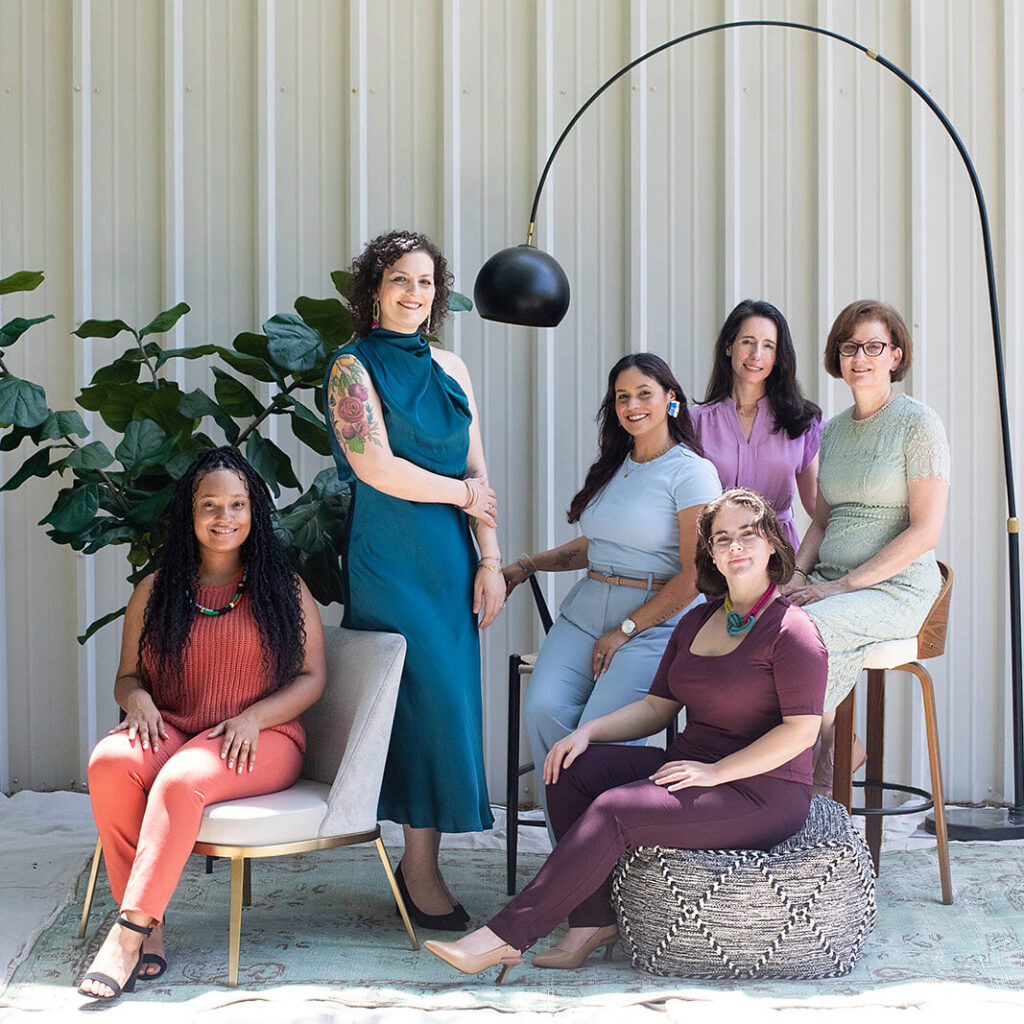
Design does not happen in a vacuum. It is shaped by culture, lived experience, and the richness that comes from true collaboration. At TEW Design Studio, our team reflects a broad range of backgrounds, perspectives, and stories, and that diversity informs how we see, feel, and imagine every space. This is more than identity. It is a way of working. When every voice is heard and valued, the result is a more creative, empathetic, and human-centered design process. TEW Design Studio does not simply create rooms for clients. We design spaces with the client at the center, in partnership every step of the way.
While many appreciate a diverse background, the hard truth is this: the design industry has long struggled with representation. According to the International Interior Design Association (IIDA), while Black Americans make up 13.4% of the U.S. population, they represent only 5% of designers, and Hispanic Americans – 18.4% of the population –account for just 3% of designers. At TEW, we see those gaps as calls to action, not limitations. When every perspective has a seat at the table, the work becomes richer.
Representation in the Room = Representation in the Work
When your design team brings multiple cultural lenses to the table, the design language itself expands. Consider how earthy tones and artisanal details draw from Palestinian craft traditions, or how textured fabrics and rhythmic patterns might echo Puerto Rican or African American aesthetic sensibilities. That cultural nuance shapes spatial flow, lighting choices, material pairing, and other details that may otherwise go unnoticed.
Beyond aesthetics, this representation matters because it fosters a deeper connection. A client who sees parts of their heritage reflected in design feels seen. In hospitality projects or residential spaces, that kinds of resonance elevate not just how a space looks, but how it feels. When your team mirrors the community it serves, projects gain layers of meaning from how light dances across texture to how conversation is invited in a room.
Collaboration as Core Practice
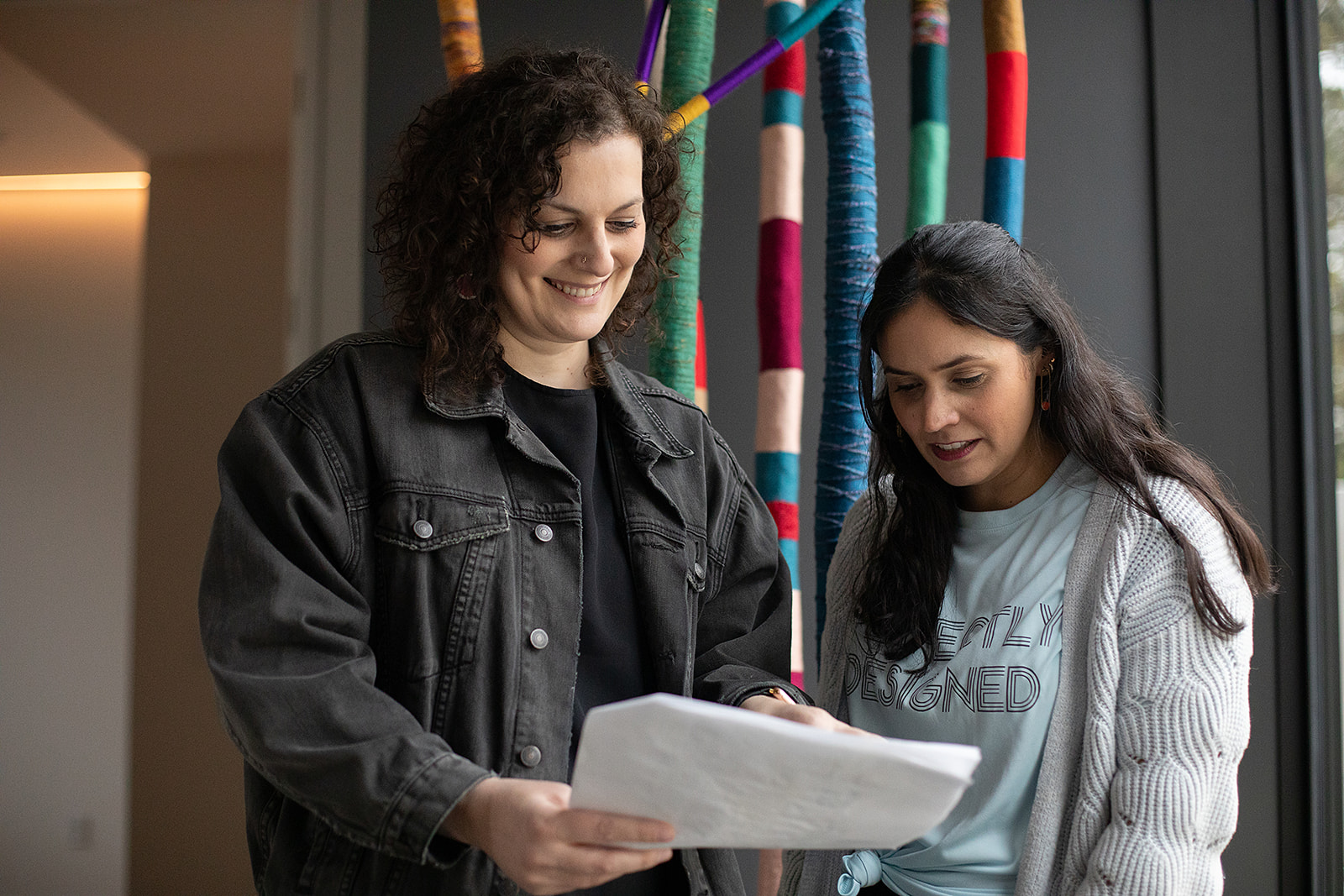
At TEW, we don’t treat diversity as a checkbox. We structure collaboration so that every voice is heard. That means open brainstorming sessions, cross-cultural critique, and shared ownership of ideas; no single style dominates. One of Rima’s guiding lines is “Good design isn’t about agreeing on everything. It’s about creating space for every perspective to be seen, respected, and built upon.”
This approach becomes our creative superpower: by combining different worldviews, we generate solutions others might miss. It’s not that we always reach consensus; sometimes the tension of difference fuels innovation. A tension that clients ultimately benefit from, because their spaces are shaped by more than one perspective. It’s also a philosophy shared by our partners, 19th&CO, where collaboration between creativity and structure helps design businesses thrive.
Inclusion decision-making has real business power, too. Research from Cloverpop shows that inclusive teams make better decisions up to 87% of the time and often do it faster. That’s precisely why we believe process is as important as outcome.
Designing for People, Not Just Spaces
When clients engage us, they come for aesthetic results, but they stay for how the design feels. Because our team comes from culturally rich backgrounds, we start with listening. We ask: Who are you? What stories do you carry? What environments bring you ease? From there, we adapt each space to reflect the client’s identity rather than forcing them into trends.
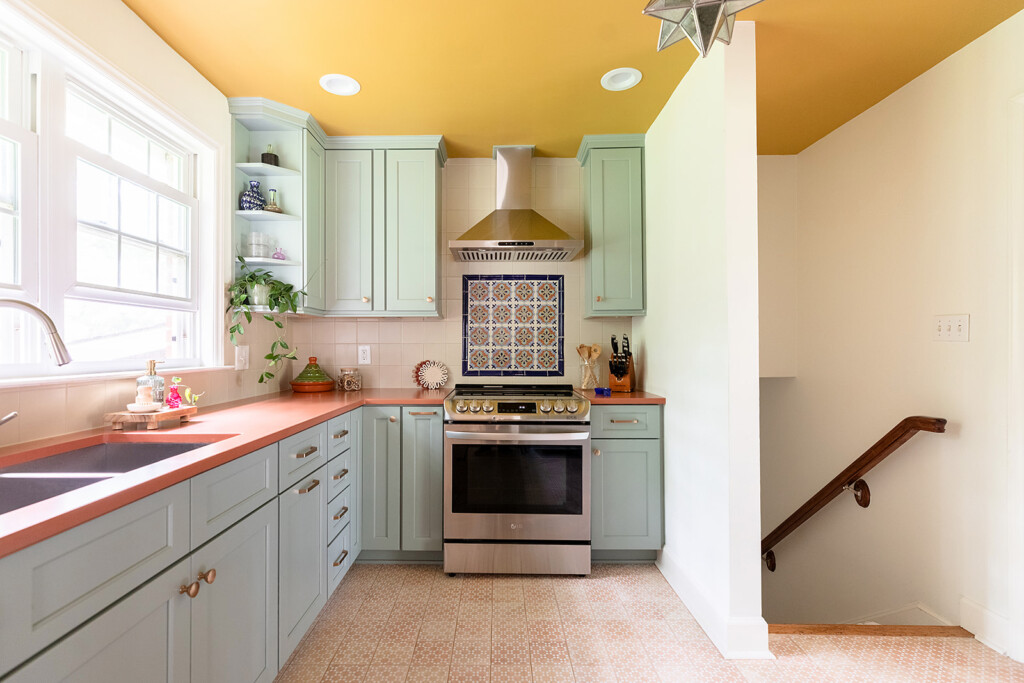
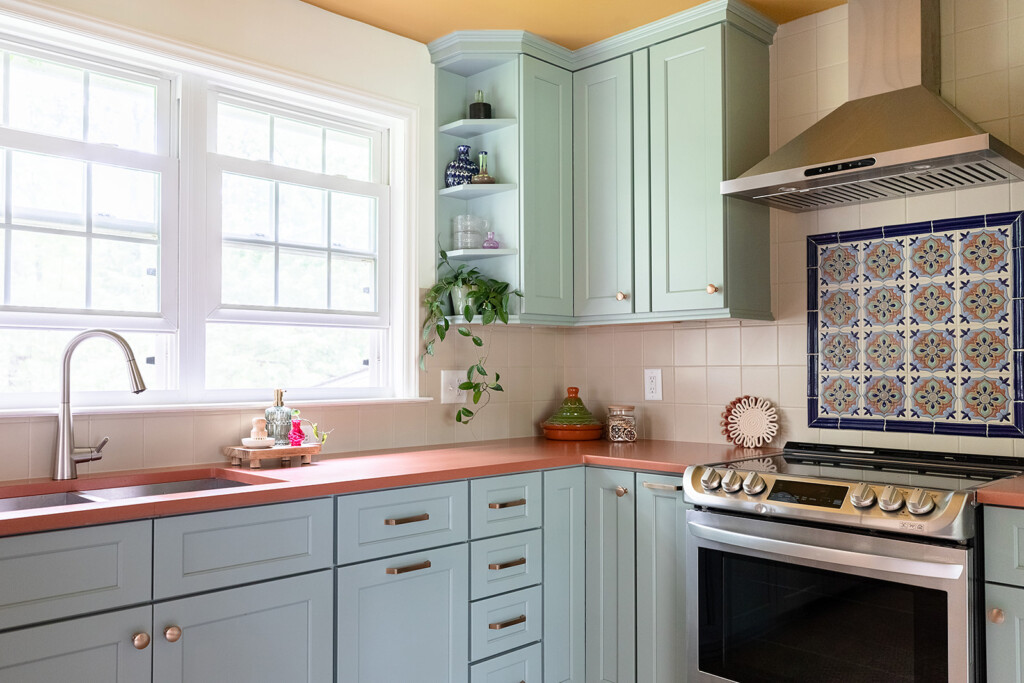
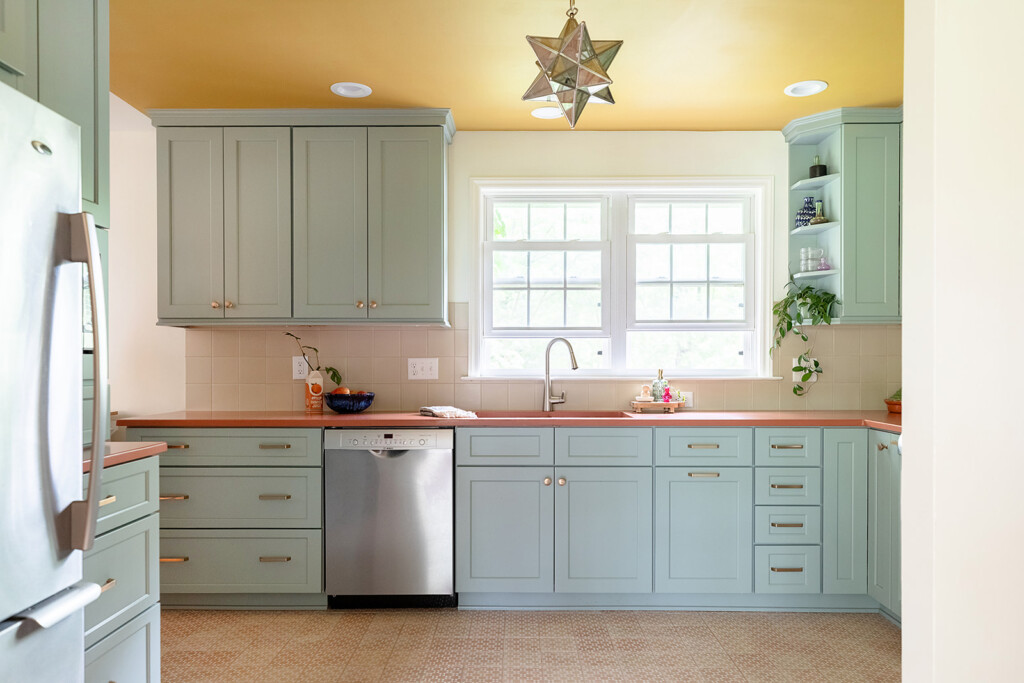
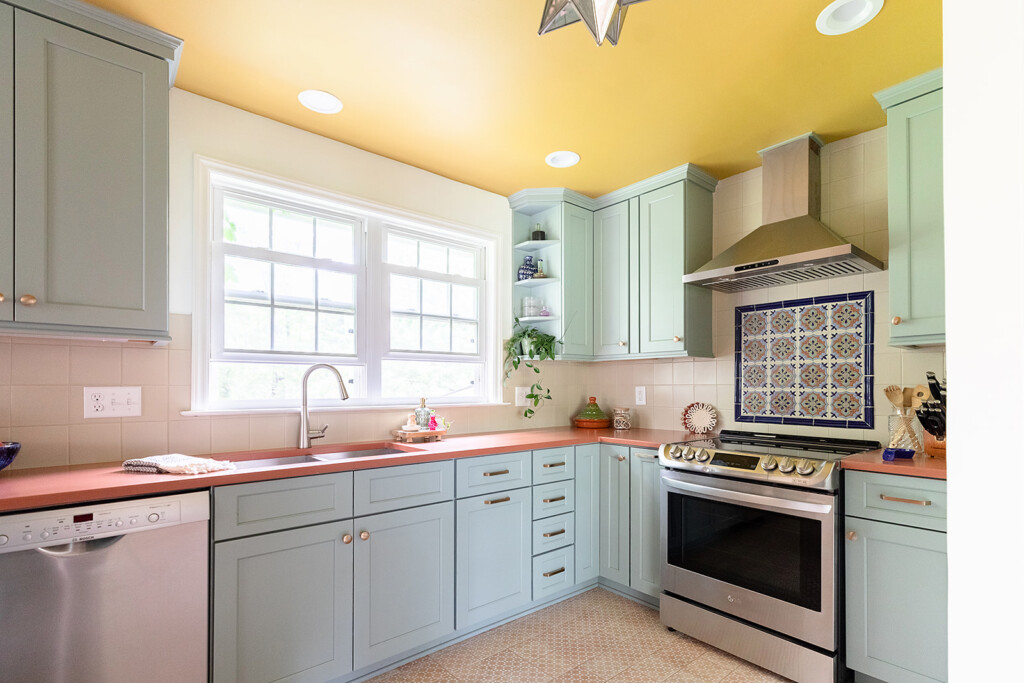
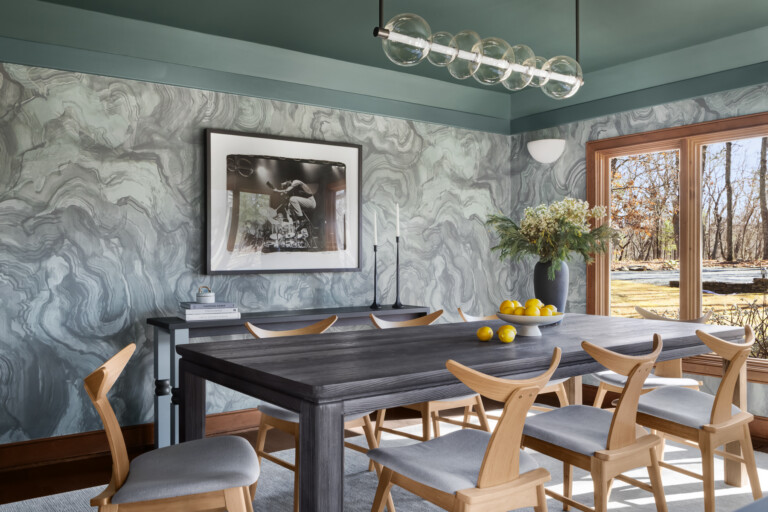
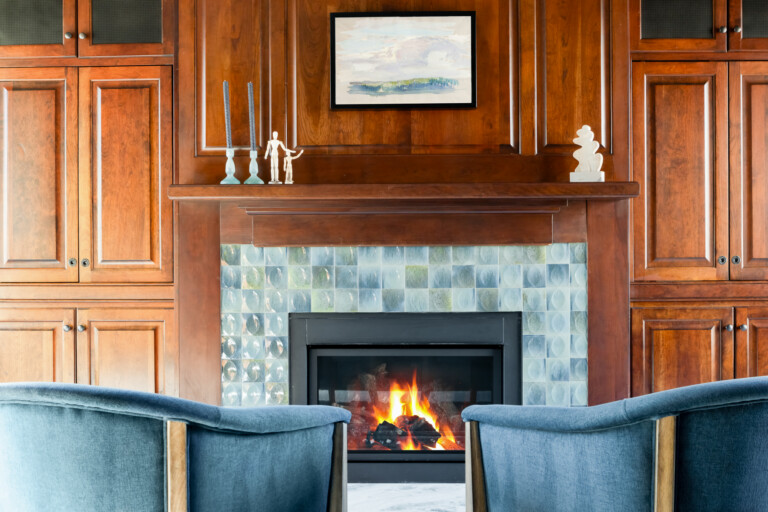
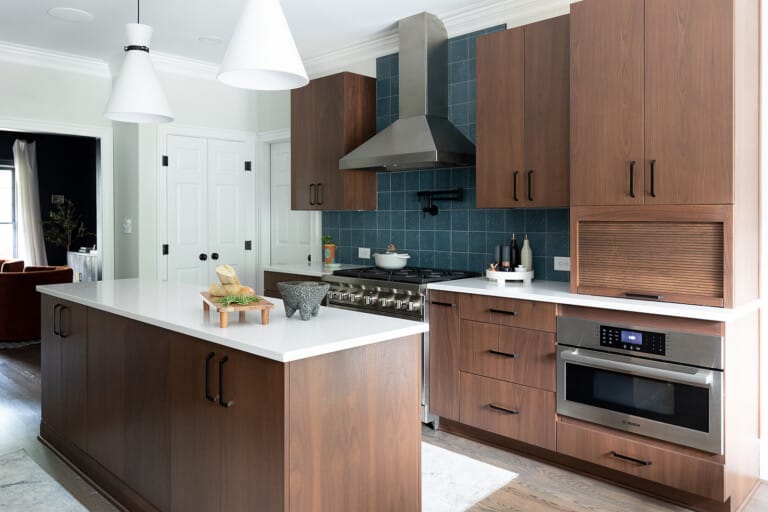
One project that illustrates this approach is Shady Bluff. In this full-home refresh, we carefully reimagined the kitchen, dining, and living areas using a mix of new furnishings, art, and accessories while thoughtfully incorporating existing pieces. Every selection, from cabinetry, countertops, and tile in the kitchen to paint, lighting, and furniture in the living and dining rooms, was made to enhance flow, highlight architectural features, and reflect the client’s style. The wife’s Mexican heritage played a meaningful role in shaping the palette and tile choices, infusing the home with warmth, vibrancy, and a touch of cultural storytelling. These particular clients wanted longevity out of their home and to set themselves up to live there comfortably for the foreseeable future.
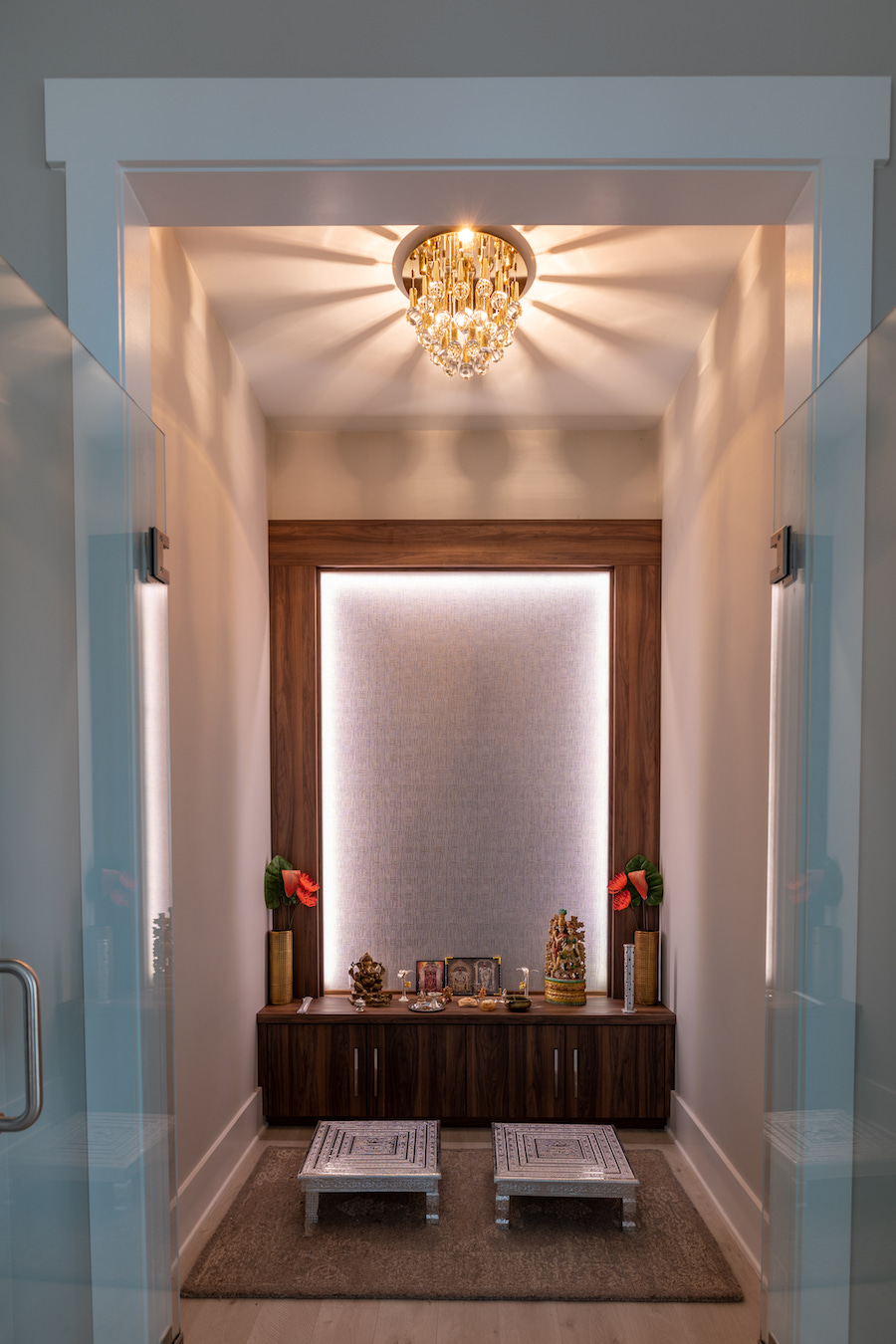
Similarly, our Zagora Lane project reflected how design can hold personal and spiritual meaning. The clients wanted a home that blended everyday comfort with intentional moments of reflection. For this project, our team completed Phase I, which included a gorgeous and intimate prayer room for the family. This space was designed with harmony and connection in mind, culminating in a beautifully illuminated prayer room featuring back-lit built-ins, an accent wall, and elegant glass double doors. Zagora Lane is one of our favorite examples of how cultural awareness and empathy can transform a house into a deeply personal sanctuary.
Inclusivity isn’t just a goal; it’s baked into how we approach every space, every brief, every collaboration. It’s not an add-on; it’s foundational.
Shady Bluff
Broader Impact
When design practices embrace representation, the ripple effects reach beyond a single project. It inspires emerging designers from underrepresented backgrounds by showing them that their voices belong. It broadens local design discourse, pushing what “modern design” can mean in a culturally rich region like North Carolina. Partnerships with organizations like 19th&CO further amplify this impact, helping underrepresented firms strengthen their visibility so their creative voices can grow even louder. It signals to clients, partners, and communities that design isn’t monolithic; it’s a shared canvas.
The business case is real. McKinsey reports that companies in the top quartile for ethnic and gender diversity on executive teams are 33% more likely to outperform less diverse peers. Diverse leadership isn’t just a moral imperative; it’s a strategic advantage. When design firms lead with inclusion, they build credibility, resilience, and relevance.
Final Thoughts: Designing the Future, Together
Diversity isn’t a trend for us, it’s a lens through which we create. At TEW Design Studio, collaboration, authenticity, and representation shape not just what we design, but how we design. Because when every voice is heard, every space tells a richer story, one that bridges culture, intention, and belonging.
If you believe your space (or your team) deserves more than a single perspective, we’d love to work with you. Let’s design together!
Ready to Elevate Your Space?
Let’s talk about how we can transform your space to better meet your needs. It all starts with a 15-minute Discovery Call so we can understand your design needs.
Want to Read More?
Check out our latest blogs to see what’s new at TEW!
-
What is biophilic design? Biophilic design is a concept in the design industry based on the evolutionary theory of biophilia, which studies human’s innate need to connect with the natural world. Biophilic interior design is a design approach that aims to improve health, well-being, and even productivity. We do this by bringing nature or natural […]
-
When our clients decided to relocate from California to North Carolina, they found their forever home before they’d ever set foot in the state. It was a beautiful mid-century modern style home in the Raleigh Triangle area with great bones, ready for some light updates and a lot of personalization. The catch was that they […]
-
“The goal isn’t a room that looks good in photos but stresses everyone out to maintain. It’s one where the design works quietly and the people living there can exhale.” That line is from a piece I wrote for Kitchen & Bath Business this month, and you can read the full feature here. It’s about […]